MEA-based primary amine field screen with three operating modes
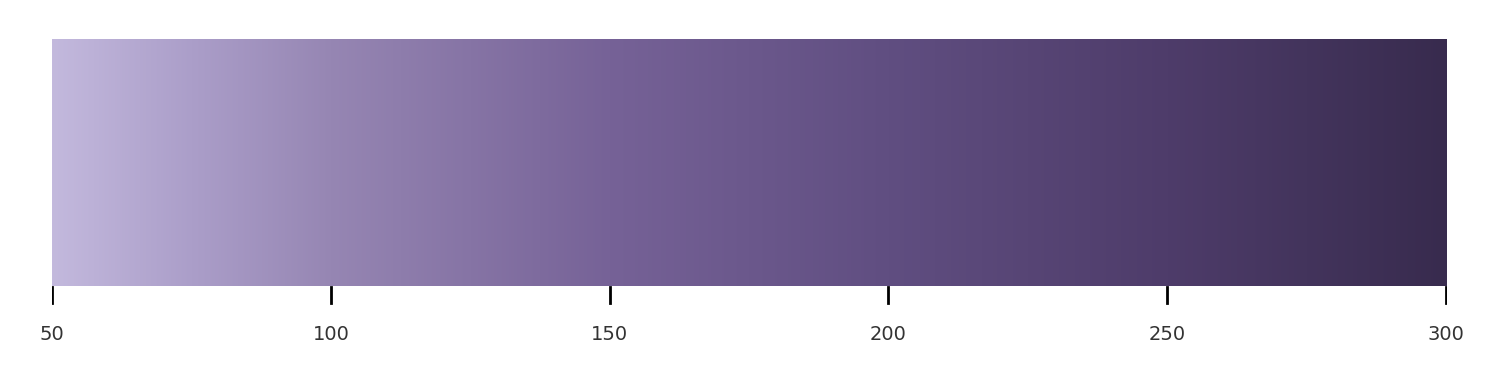
Chemi-Sense amine residual field screen (MEA-based primary amine). Three modes: (1) low-range 0–10 ppm with the kit warmer at 167°F (75°C) in about 35 minutes; (2) high-range 20–200 ppm with heater at 167°F (75°C) in about 15 minutes total; (3) high-range ambient 20–300 ppm with no heat, up to a 5-hour ceiling. Kit includes the warmer. Field screen, not a lab replacement. Request a callback: https://chemi-sense.com/contact
Chemi-Sense Amine Residual Field Test for Corrosion Inhibitors
Use this MEA-based primary amine field screen with the matching calibration chart. The low-range mode develops in about 35 minutes at 167°F (75°C) with the kit warmer; high-range heater mode uses 167°F (75°C) for about 15 minutes total; high-range ambient mode is 20–300 ppm with no heat, up to a 5-hour ceiling.
MEA-Based Amine Residual Field Screen for Corrosion Inhibitors
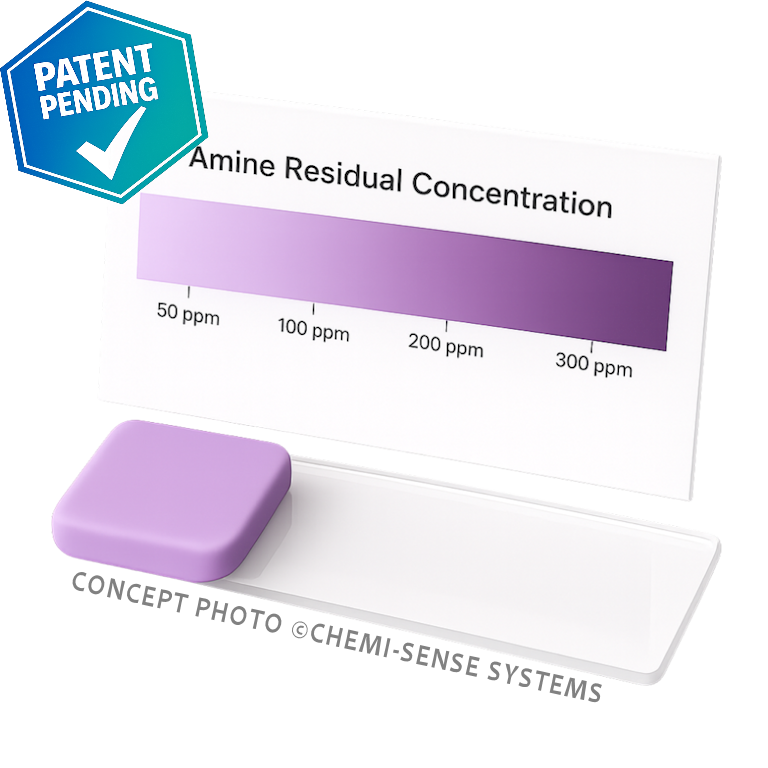
Chemi-Sense amine residual field screen (MEA-based primary amine) with three modes: (1) low-range 0–10 ppm with the kit warmer at 167°F (75°C) in about 35 minutes; (2) high-range 20–200 ppm with heater at 167°F (75°C) in about 15 minutes total; (3) high-range ambient 20–300 ppm with no heat, up to a 5-hour ceiling. Field screen, not a lab replacement.
This portable, self-contained test provides measurable, repeatable results that allow for same-day system adjustments and optimized inhibitor dosing without waiting for tedious laboratory turnaround.
Key Advantages
- Three operating modes: 0–10 ppm warmer, 20–200 ppm heater, or 20–300 ppm ambient.
- Eliminates shipping and lab delays.
- Enables on-site monitoring and rapid corrective action.
- Compact, easy-to-use design with minimal training required.
Procedure
- Kits/charts for 0–10 ppm, 20–200 ppm heated, and 20–300 ppm ambient.
- Collect your sample.
- Immerse the sensor film per the kit insert for that range.
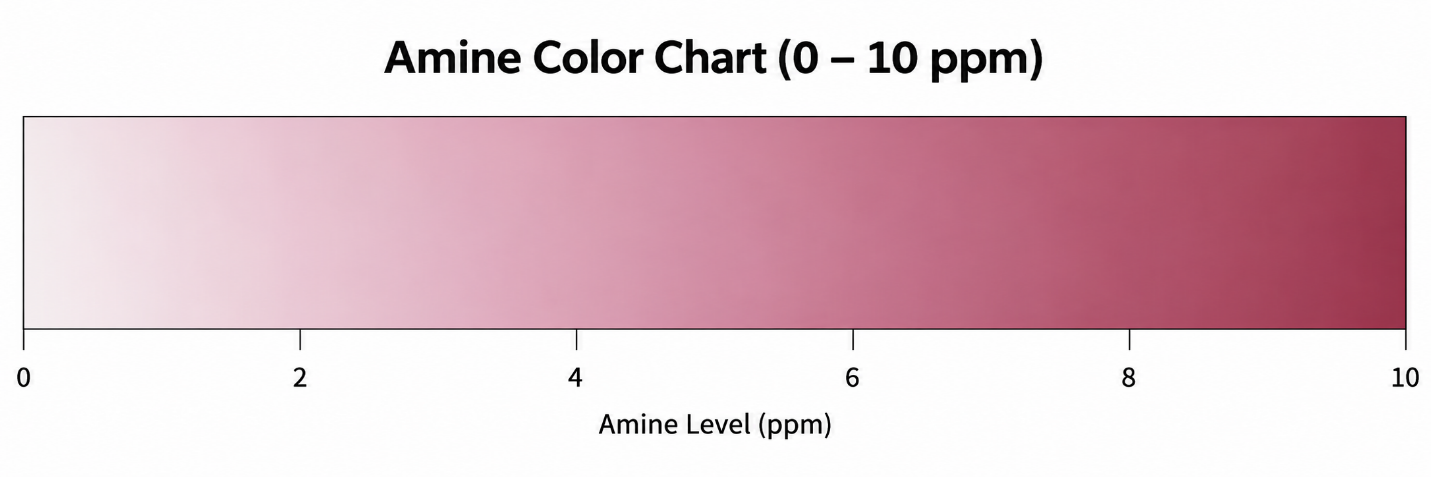
- For 0–10 ppm, develop with the kit warmer at 167°F (75°C) for about 35 minutes.
- For 20–200 ppm with heater, develop at 167°F (75°C) for about 15 minutes total.
- For 20–300 ppm at ambient, use no heat and allow up to a 5-hour ceiling.
- Compare to the matching calibration chart for that range.
Facts About the Amine Residual Field Test
- Sensor response: three modes—0–10 ppm with the kit warmer, and 20–200 ppm with heater or 20–300 ppm at ambient—using matching calibration charts.
- Applications: MEA-based primary amine corrosion inhibitors. Other primary amines, secondary amines, and ammonia can affect the reading.
- Field-screen results are compared with the matching calibration chart.
- Low-range response: about 35 minutes at 167°F with the kit warmer.
- High-range heater mode: 167°F (75°C) for about 15 minutes total; ambient mode: no heat, up to a 5-hour ceiling.
- Minimum exposure: follow the kit insert for the applicable range.